
2026-10-24 · Marco Rossi
Signs of Corrosion on Water Heater Tanks in Humid Southwest Florida Homes
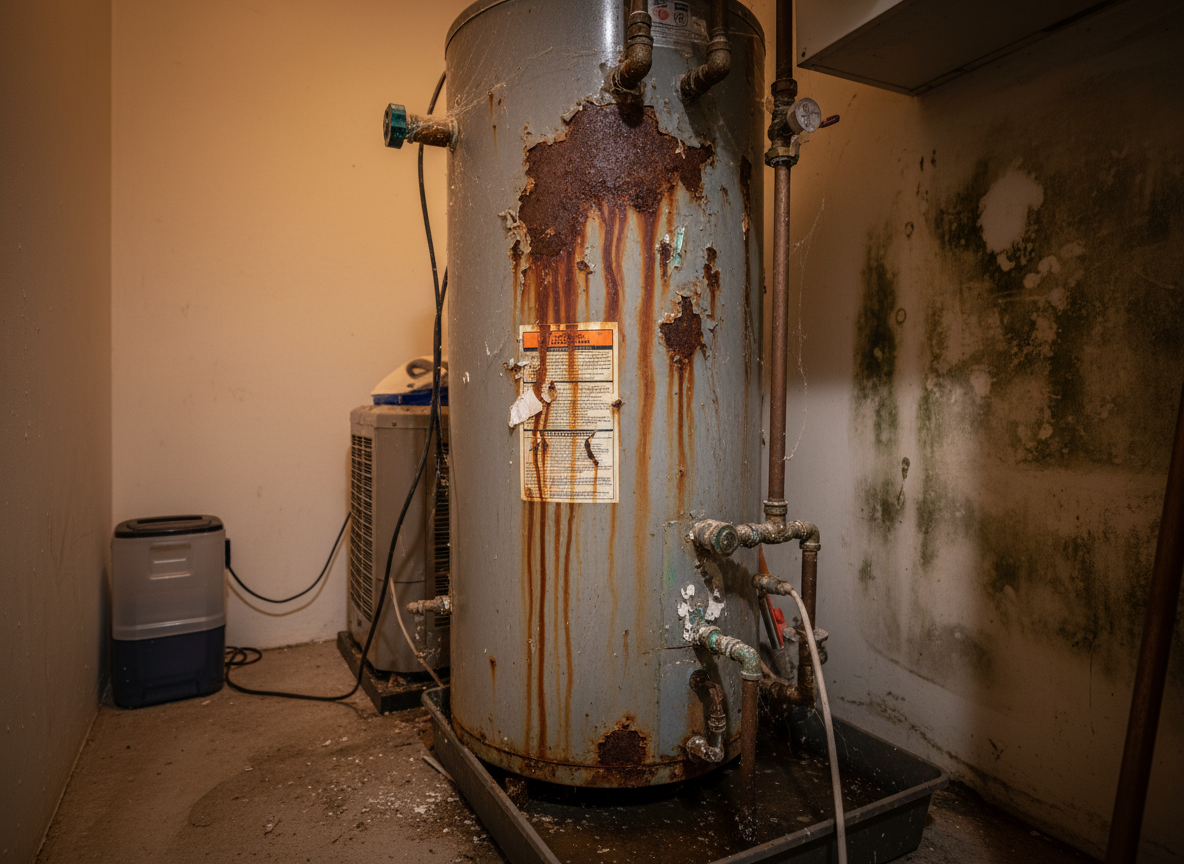
Corrosion on water heater tanks in humid Southwest Florida homes, particularly across Lehigh Acres, often manifests as rust-colored water, metallic odors, leaks around the tank base, or popping/rumbling noises from inside the unit. These signs typically appear as tanks approach or exceed their 8–12 year lifespan, exacerbated by our region's distinct wet and dry seasons and the naturally high humidity levels. Ignoring these indicators can lead to sudden tank failure, resulting in significant water damage to your home, a situation no one in Westminster or Sunshine neighborhoods wants to face. Understanding these early warnings is crucial for residents in Lee County to maintain their hot water systems effectively.
The Impact of Southwest Florida's Climate on Water Heater Corrosion
Lehigh Acres experiences a tropical monsoon climate, characterized by prolonged periods of high humidity and heavy rainfall during the wet season, which significantly influences the lifespan and condition of water heaters. This constant moisture in the air, combined with the often-fluctuating temperatures, can accelerate external rust on components like the tank jacket, piping, and connections. Internally, the water itself, especially if it has a high mineral content common in our area, can contribute to electrochemical reactions that degrade the tank's lining and anode rod. Homes in areas like Richmond and Mirror Lakes, some of which may have older plumbing systems, are particularly susceptible to these environmental factors, making regular inspections vital to catch issues before they escalate into an emergency water heater repair situation.
Common Signs of External Corrosion
External corrosion is often the easiest to spot and can be a precursor to more severe internal issues. Keep an eye out for these visual cues on your water heater, which is typically located in a utility closet or garage in most Lehigh Acres homes:
- Visible Rust Spots: Look for patches of reddish-brown rust on the exterior of the tank, especially near the bottom, around the drain valve, or where pipes connect. Even small spots can indicate a breach in the protective coating.
- Pitting or Flaking Paint: The paint on your water heater tank acts as a protective barrier. If it's bubbling, flaking, or showing small indentations (pitting), it suggests moisture is getting underneath and causing the metal to corrode.
- Corroded Pipe Connections: Inspect the hot and cold water inlet/outlet pipes, as well as the temperature and pressure relief (TPR) valve discharge pipe. Green or white powdery buildup (verdigris) around copper pipes or rust on galvanized steel connections are clear signs of corrosion, often caused by minor, persistent leaks or condensation. These leaks can slowly drip onto the tank, accelerating its external degradation.
Internal Corrosion: The Hidden Threat
While external signs are important, internal corrosion is often more insidious and can lead to catastrophic failure without obvious prior warnings. This internal degradation primarily affects the steel tank liner and the anode rod. The anode rod, often called the 'sacrificial rod,' is designed to corrode instead of the tank itself, protecting the steel from rust. However, over time, especially with the water conditions in Lee County, this rod can deplete.
- Rusty or Discolored Hot Water: This is one of the most definitive signs of internal corrosion. If your hot water appears rusty or brownish, particularly after a period of inactivity, it means the inside of your tank is rusting. This can also indicate sediment buildup, which can trap moisture against the tank's bottom, accelerating corrosion. If you're seeing rusty water, it's time to investigate a potential Water Heater Rusty or Discolored Water issue.
- Metallic Odor in Hot Water: A distinct metallic smell from your hot water suggests that the internal components, likely the tank itself, are corroding and leaching metal into the water supply.
- Reduced Hot Water Capacity: As rust and sediment accumulate inside the tank, they can displace hot water, leading to a noticeable reduction in available hot water. This isn't just an inconvenience; it can be a sign of si
Auditory and Performance Indicators of Corrosion
Sometimes, your water heater will 'speak' to you through sounds or changes in its performance before visible signs of corrosion appear. These can be crucial early warnings for homeowners in Fort Myers and Cape Coral, as well as right here in Lehigh Acres, near landmarks like the Lehigh Acres Community Park or the Lee County Sports Complex.
- Popping or Rumbling Noises: These sounds often indicate sediment buildup at the bottom of the tank. Sediment can trap moisture and chemicals, creating hot spots that accelerate corrosion of the tank's bottom. The noises are caused by water boiling beneath this sediment layer.
- Leaking from the Bottom of the Tank: Any water pooling around the base of your water heater is a critical sign of a serious problem. While it could be a loose connection, it often points to a corroded tank bottom. Once the steel tank itself is compromised, repairs are rarely effective, and a full Water Heater Replacement is usually necessary. Ignoring a leak can lead to extensive water damage, especially in homes with finished flooring.
- Frequent Cycling or Inefficient Heating: A corroded tank, particularly one with significant sediment, can lose its heating efficiency. The heating elements (in electric models) or burner (in gas models) have to work harder, leading to higher energy bills and the water heater cycling
Proactive Measures and When to Call an Expert
Given the challenges posed by our Southwest Florida climate, proactive maintenance is your best defense against water heater corrosion. Regularly flushing your water heater, especially after the heavy rains of our wet season, can help remove sediment that contributes to internal corrosion. You can learn more about this process in our article, How to Flush Sediment from Your Water Heater After Florida's Rainy Season. Additionally, having the anode rod inspected and replaced every 3–5 years is vital, as it's the primary defense against internal rust.
If you observe any of the corrosion signs mentioned, particularly leaks or rusty water, it’s imperative to contact a professional for a water heater repair. Lehigh AquaShield, based at 4914 Bywood St, Lehigh Acres, FL 33971, understands the specific challenges our local climate presents. We can assess the extent of the corrosion and recommend the most effective solution, whether it's a repair or a full replacement, ensuring your home in Lehigh Acres has reliable hot water for years to come.